

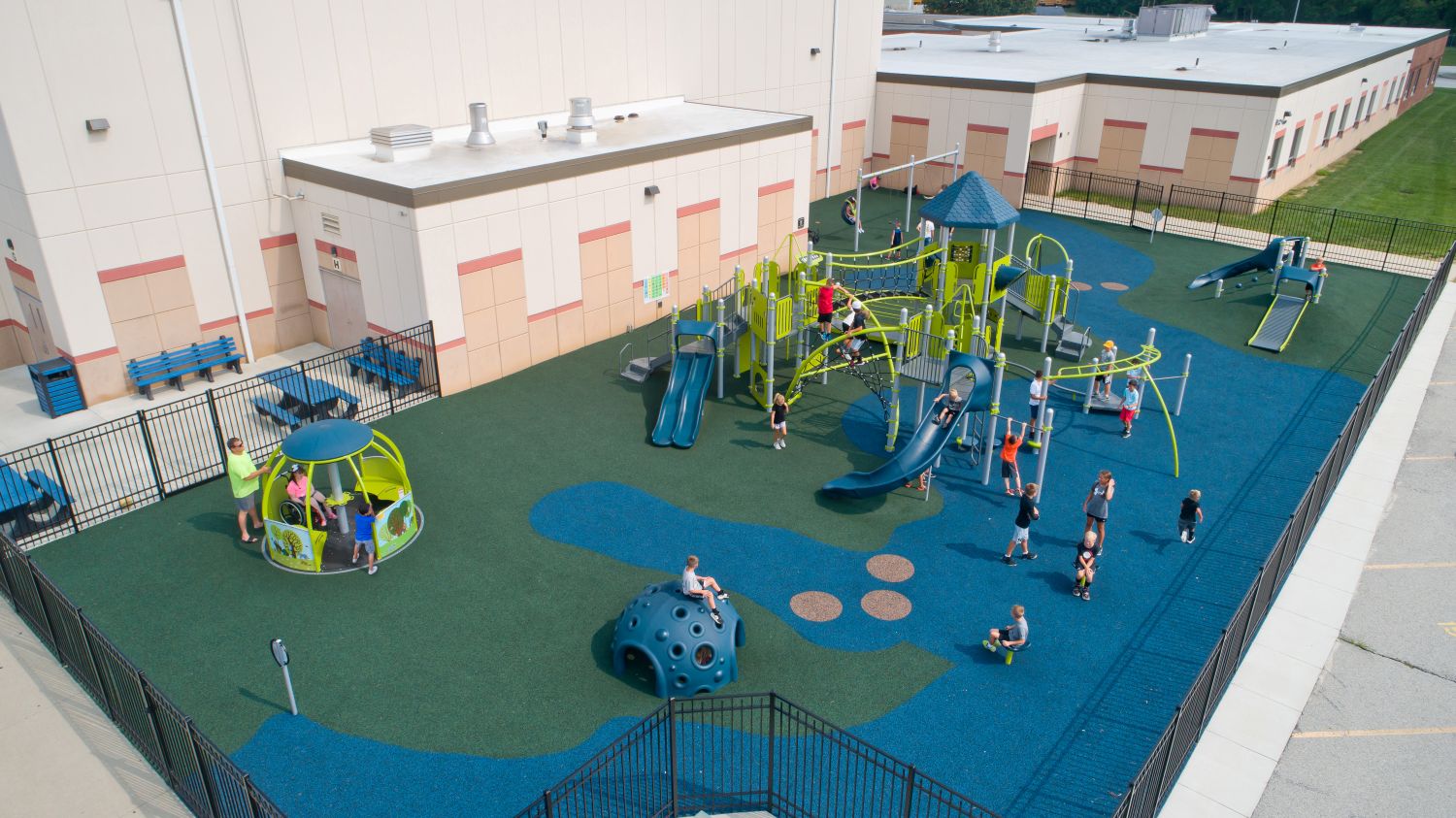
Playgrounds play an important role in supporting a child’s physical, social, and emotional development—especially in school environments where play is woven into the daily rhythm of learning. As Christian schools seek to create spaces that reflect values of care, belonging, and community, inclusive playground design has become an essential consideration.
Inclusive playgrounds are built on the idea that every child deserves the opportunity to participate fully in play, regardless of ability. Rather than focusing on a single accessible feature, truly inclusive playgrounds are thoughtfully designed systems that support a wide range of physical, sensory, and developmental needs. Understanding these key inclusive playground elements can help schools make informed decisions when planning new playgrounds or improving existing ones.
The following must-have elements form the foundation of truly inclusive school playgrounds, helping remove barriers, support different learning styles, and create spaces where all students feel welcomed and valued.
- Accessible, Unitary Surfacing
Stable, seamless surfacing allows children using wheelchairs, walkers, or mobility devices to move independently throughout the play space. It also reduces trip hazards and improves safety for all students, including those learning to walk or run.
- Ramps and Transfer Points
Ramps and transfer systems provide access to elevated play features without separating children from their peers. These features encourage shared experiences and allow students of varying abilities to engage together at different levels.
- Ground-Level Play Components
Play elements located at ground level ensure meaningful play opportunities without requiring climbing or stairs. These components promote social interaction, imaginative play, and sensory engagement for a wide range of abilities.
- Sensory-Rich Play Elements
Musical features, textured panels, and interactive activities support sensory development and creativity. These elements are especially beneficial for children who process sensory input differently, offering both calming and stimulating experiences.
- Adaptive and Group Swings
Inclusive swings with back support or harnesses allow more children to enjoy movement safely. Group swing options also encourage cooperative play and strengthen social connections among students.
- Quiet Retreat and Rest Areas
Designated calm spaces give children a place to step away from stimulation and self-regulation. These areas support emotional well-being and allow students to return to playing when they feel ready.
- Communication Tools and Clear Signage
Visual cues, symbols, and communication boards help support non-verbal or language-delayed children. These tools foster independence and encourage meaningful interaction among peers.
- Wheelchair-Accessible Play Features
Play elements designed for direct wheelchair access allow children to participate without assistance. This promotes confidence, autonomy, and inclusive group play experiences.
- Shade Structures
Shade protects children from excessive heat and UV exposure, making outdoor play safer and more comfortable. It also creates inviting spaces for rest, supervision, and extended outdoor use throughout the day.
- Thoughtful Zoning and Layout
Intentional layout separates high-energy play from quieter activities while maintaining visual connections. This balance helps children navigate the space confidently and choose activities that best meet their needs.
Together, these ten elements work to remove barriers, support independence, and create play environments where children feel safe, confident, and included.
Why These Elements Matter in School Environments
When these elements work together, playgrounds become places where children of all abilities can explore, build friendships, and experience the joy of play. For schools, investing in inclusive design supports physical development, social growth, and a culture of belonging—creating outdoor spaces that reflect care, compassion, and thoughtful stewardship.
For Christian schools in particular, inclusive playgrounds are an extension of the mission to serve the whole child. Play spaces that welcome every student foster empathy, cooperation, and community, helping children learn from and alongside one another in meaningful ways.
From a practical standpoint, these elements also support long-term usability. Durable surfacing, shade, and flexible play zones help playgrounds withstand daily use while accommodating a variety of ages, abilities, and activities.
Whether a school is planning a new playground or evaluating an existing one, focusing on these inclusive playground elements provides a clear framework for creating outdoor spaces that reflect shared values, support student well-being, and invite every child into play.
This information is courtesy of Whirlix Design, Inc., a Texas based company specializing in building outdoor recreation spaces for schools, parks, and athletic facilities in North and Central Texas, www.whirlix.com.