

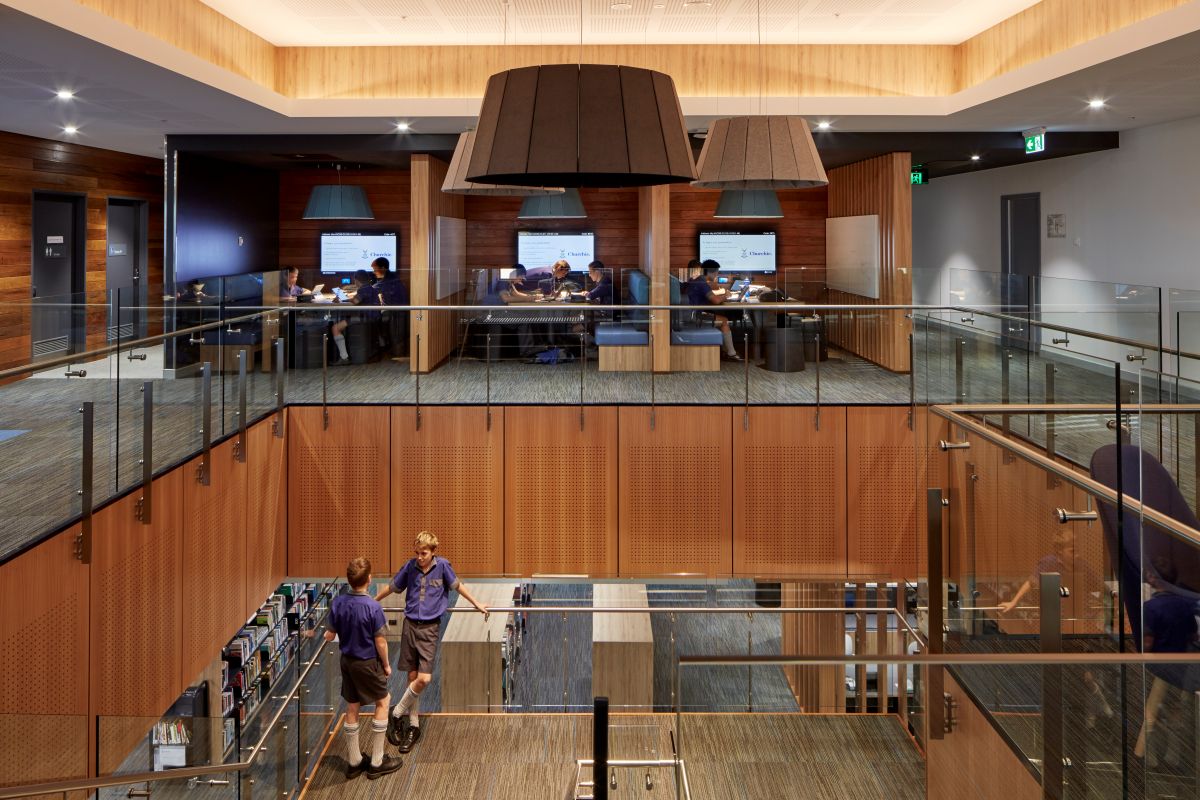
While curriculum and teaching methods remain critical, the physical learning environment itself plays a powerful—often underestimated—role. The construction and design of educational facilities directly influence how information is received, processed, and retained.
Spaces that promote clarity, reduce stress, and encourage concentration help students perform at their best. Increasingly, cost-effective solutions such as strategically placed acoustic lighting are proving to be an essential part of that equation.
Reducing Noise Clutter for Inclusive Learning
Noise is one of the most significant disruptors in educational environments. While classrooms and collaborative spaces must encourage conversation and discussion, excessive background noise can quickly become a barrier to concentration. HVAC systems, overlapping conversations, hallway traffic, and reverberation in large rooms all contribute to what designers refer to as “noise clutter.”
Inclusivity further heightens the importance of acoustic control. Students with sensory sensitivities, hearing challenges, or other special needs are often particularly affected by sound. Large, open areas—such as cafeterias, libraries, and gymnasiums—or older buildings with reflective surfaces can be especially challenging.
Acoustic lighting addresses this issue at the source. By integrating sound-absorbing materials into overhead lighting fixtures, these systems help soften background noise and reduce echo. In busy, open environments like classrooms and collaborative learning spaces, acoustic lighting has been shown to reduce ambient noise by as much as 40%. The result is a calmer, more comfortable atmosphere that supports clearer communication and a more inclusive learning experience for all students.
Optimizing Light Quality in the Classroom
Lighting quality is equally critical to student health, comfort, and productivity. Poor lighting can lead to eye strain, headaches, fatigue, and reduced focus, while thoughtfully designed lighting can enhance alertness and support cognitive performance.
There are four key components to consider when designing lighting for educational spaces:
- Light layers
Effective learning environments incorporate multiple layers of light, including general illumination, task lighting, and daylighting. Acoustic lighting can function as a primary or complementary layer, working alongside natural and artificial light sources to create balanced, adaptable illumination.
- Color temperature
A color temperature range of 3000K to 3500K is widely considered ideal for learning environments. This range avoids the harshness of cooler, clinical light while steering clear of overly warm tones that can feel too relaxed. Acoustic lighting fixtures are often available in this optimal range, supporting focus without sacrificing comfort.
- Glare control
Glare is a common but frequently overlooked issue in classrooms. It can cause students and educators to squint, leading to eye strain, headaches, and reduced productivity. Well-designed acoustic lighting systems incorporate advanced optics and diffusers to minimize glare and ensure visual comfort throughout the space.
- Control and adaptability
Classrooms are dynamic environments, used for lectures, group work, presentations, and independent study throughout the day. The ability to control lighting levels and zones is essential. High-quality acoustic lighting solutions offer dimming and control options with flicker-free performance, allowing lighting conditions to adapt seamlessly to different activities.
Flexible, Long-Lasting Design Solutions
Beyond performance, acoustic lighting offers significant flexibility in both design and installation. Traditional acoustic treatments—such as padded carpets or ceiling tiles—can conflict with the aesthetic or architectural intent of a space. Acoustic lighting, on the other hand, integrates sound control into sculptural, visually appealing fixtures that enhance the overall design.
Available in a wide variety of shapes, colors, and configurations, acoustic lighting can complement diverse educational settings, from early learning centers to universities. These fixtures are especially valuable in retrofit and refurbishment projects, where existing walls or ceilings cannot be altered. By utilizing the often-overlooked void between desks and ceilings, acoustic lighting delivers meaningful upgrades without extensive construction.
Durability and maintenance are also key considerations in schools. Most acoustic lighting fixtures are designed for long-term use and easy upkeep. Popular PET acoustic materials are smooth and flat, resisting dust and debris and making fixtures easy to clean—an important advantage in high-traffic educational environments.
Reimagining Educational Spaces Through Sound and Light
Acoustic lighting has established itself as a powerful tool for architects, designers, and construction professionals seeking to rethink how learning spaces function. By reducing noise, improving lighting quality, and supporting wellbeing, these solutions help create classrooms that are not only more efficient, but also more welcoming and inclusive.
As educational institutions continue to evolve, acoustic lighting offers a smart, cost-effective way to enhance happiness, productivity, and performance—proving that thoughtful design can make a lasting difference in how students learn and thrive.
This article is courtesy of Luxxbox, a leading international designer and manufacturer of cutting-edge designer acoustic lighting solutions, www.luxxbox.com.