
A Practical Guide to Electronic Access Control for Christian K-12 Campuses
Religious schools are places of learning, worship, and community. Although they are designed to be welcoming environments, today’s school leaders are charged with the responsibility of protecting students, staff, and visitors in increasingly complex risk environments. Electronic access control has become one of the most important tools available to help schools meet that responsibility thoughtfully and effectively.
Access control is not about turning schools into fortresses. When implemented correctly, it supports accountability and care for the people entrusted to your campus, while also improving daily operations. Understanding how to evaluate, upgrade, and maximize an access control system is now an essential skill for private school leaders.
Understanding Access Control in a School Setting
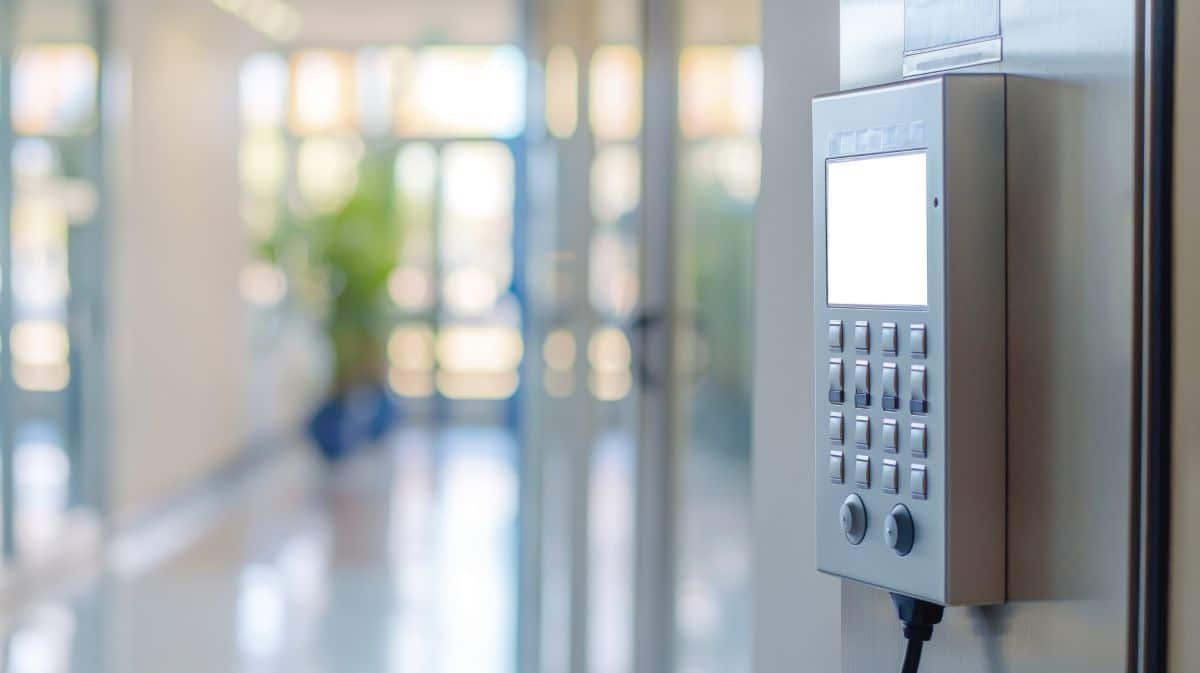
At its core, an electronic access control system determines “who can enter which doors, and when.” Instead of relying solely on traditional keys, access control uses credentials such as key cards, fobs, mobile credentials, or PIN codes to unlock doors electronically. Permissions can be assigned by role, schedule, or location and updated instantly when circumstances change.
Schools present unique challenges that differ from office buildings or commercial facilities. A typical religious school campus may include classrooms, administrative offices, a place of worship, athletic facilities, and spaces shared with community groups. Access needs change throughout the day to address arrival and dismissal times, after-school programs, evening activities, and weekend services.
A well-designed access control system accommodates these rhythms without requiring constant manual intervention. When done correctly, it allows doors to remain secure while still supporting the welcoming nature of a religious school.
Knowing When It’s Time to Upgrade or Replace
Many schools are operating access control systems installed a decade or more ago. While these systems may still function, age alone can introduce hidden risks.
Signs it may be time to upgrade or replace your system include frequent malfunctions, difficulty adding or removing users, limited reporting, or reliance on a manufacturer that no longer supports the product. Schools may also find that their system cannot integrate with newer technologies or support modern emergency response needs.
In some cases, a targeted upgrade, such as adding new readers or software, may extend the life of an existing system. In other situations, replacement is the safer and more cost-effective long-term choice. The key is understanding whether your current system can evolve over time or whether it has become a barrier to safety and efficiency.
Unlocking More Value Through Integration
One of the most powerful advantages of modern access control is its ability to integrate with other systems already in use on campus. Integration does not mean added complexity. In many cases it simplifies operations and enhances visibility.
For example, integrating access control with video surveillance allows administrators to see who entered a door and can add valuable context during investigations or incidents. Integration with visitor management systems ensures that guests are properly checked in and restricted to approved areas. Additionally, connections to emergency notification systems can support lockdown procedures or after-hours alerts.
These integrations help school leaders move from isolated systems to a more coordinated approach to safety and one that improves response while reducing the burden on staff.
Getting the Most Out of Access Control Without Breaking the Bank
Budget constraints are a reality and access control investments must be approached with care. Fortunately, effective access control does not require securing every door on day one.
A common and successful strategy is phased implementation. Schools often begin by securing primary exterior entrances and higher-risk areas, then expand over time as budgets allow. Scheduling features can reduce staffing needs by automatically locking and unlocking doors based on the school calendar. In many cases, existing wiring, door hardware, or infrastructure can be reused to control costs.
Another important consideration is choosing an open, flexible platform rather than a proprietary system that locks the school into a single vendor. This approach preserves future options and helps protect the school’s investment over time.
Thoughtful planning ensures that each dollar spent contributes to both safety and long-term sustainability.
Compliance, Policies, and Duty of Care
Access control must always support and never conflict with life safety and legal requirements. Doors must allow free egress during emergencies, comply with fire and building codes, and meet accessibility standards.
Equally important are internal policies that govern how access control is used. Clear procedures for issuing, managing, and revoking credentials help maintain accountability. Audit trails and reporting can support incident reviews and demonstrate due diligence when questions arise.
Even as private institutions, religious schools carry a significant duty of care. A properly designed access control system, combined with clear policies and training, strengthens that duty while supporting the school’s mission.
Engaging Vendors and Integrators as True Partners
Selecting the right technology is only part of the equation. The success of an access control system depends heavily on the vendors and integrators who design, install, and support it.
School leaders should seek partners with experience in K-12 environments who are willing to educate rather than overselling. A strong partner will ask questions about campus culture, daily operations, and future growth.
Important questions to ask include how the system can scale, who owns the data, how training is handled, and what long-term support looks like. Transparency and collaboration are key indicators of a partner who will serve the school well beyond installation day.
Technology in Service of Mission
As a third-party independent consultant, I’ve seen clients in the faith-based sector, whether for their houses of worship or religious schools, successfully implement electronic access controls to serve their mission rather than distract from it. When thoughtfully planned and responsibly implemented, access control supports a safe, orderly, and welcoming environment where students can learn and grow.
By understanding when to upgrade, how to integrate systems, how to manage costs, and how to engage the right partners, school leaders can make informed decisions that honor both stewardship and safety. In doing so, they ensure that technology quietly and reliably supports the work that matters most.
Jordan Ferrantelli, PSP, CPP, is the vice president of the Healthcare, Education and Life Safety Practice at Guidepost Solutions, a security and safety consulting firm, www.guidepostsolutions.com.